Tractor Charm: Sustainable Farming's Unexpected Allure
Redefining "Charm": It's More Than Just a Pretty Face
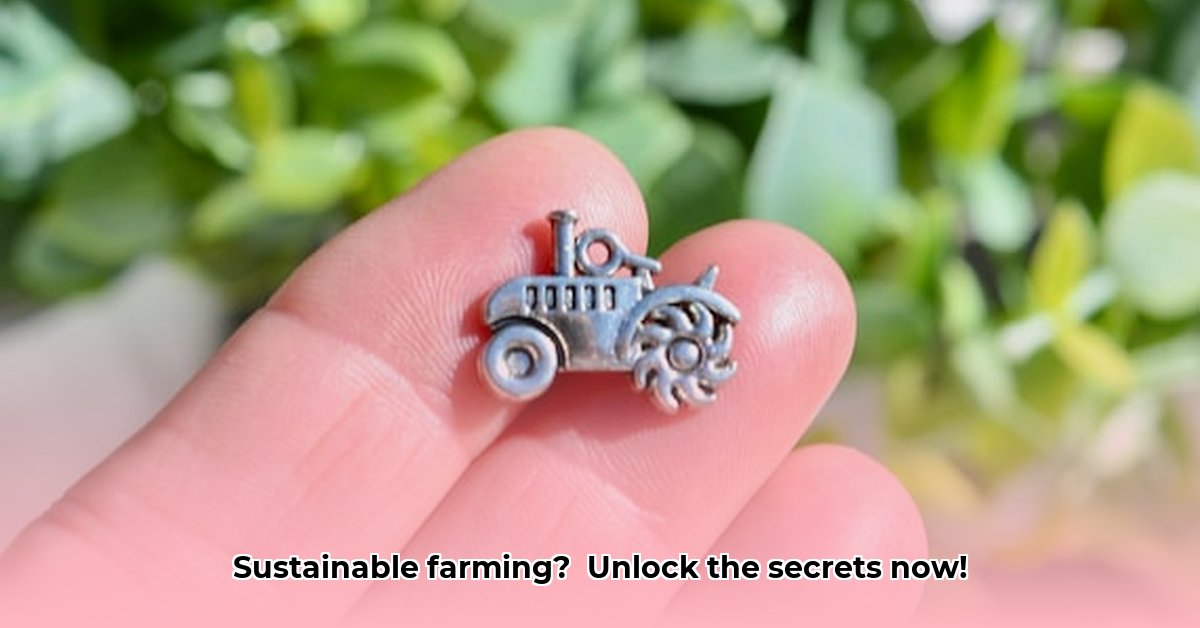
The term "tractor charm" traditionally conjured images of gleaming red classics or meticulously restored antiques. However, in the context of sustainable agriculture, the definition expands considerably. It’s no longer solely about aesthetics; "tractor charm" now encompasses efficiency, minimized environmental impact, and the ingenious application of technology to work harmoniously with nature. It’s about finding beauty in practical, earth-friendly solutions. This means prioritizing fuel efficiency, reducing emissions, and employing precision farming techniques to minimize waste. This modern interpretation represents a blend of functionality and environmental responsibility—a commitment to getting the job done while acting as a responsible steward of the planet. For more on sustainable farming equipment, check out this chicken tractor kit.
The Evolution of Sustainable Power: From Gas Guzzlers to Green Machines
The evolution of the tractor mirrors the broader shift towards sustainability. Early models were behemoths of steel and gasoline, emphasizing sheer power. Today's sustainable tractors maintain impressive capabilities but with a drastically reduced environmental footprint. We are witnessing a significant rise in electric and hybrid models, accompanied by remarkable improvements in fuel efficiency. This evolution reflects a fundamental change in how we approach farming and its impact on the Earth. The practical side of tractor charm is now undeniably shining. This isn't just about lower fuel bills; it's a substantial reduction in our collective carbon footprint, a contribution to preserving resources for future generations, and a commitment to leaving a lighter mark on the planet.
Precision Farming: Doing More with Less, and Protecting More in the Process
Precision agriculture, powered by GPS technology and advanced sensors, is revolutionizing the farming landscape. Visualize tractors guided by sophisticated software, applying fertilizer only where absolutely necessary. This isn't merely about efficiency; it is a critical component of sustainable farming, directly mitigating environmental concerns associated with traditional methods. This precision is a key element of the new tractor charm – efficient farming that safeguards our natural resources.
This approach translates to:
- Reduced fertilizer runoff: Protecting our waterways and ecosystems.
- Minimized fuel consumption: Saving money and lowering emissions.
- Optimized planting and harvesting: Maximizing yields from existing land.
Farmers are increasingly embracing this methodology, recognizing that it's not just about profit maximization but also about responsible land stewardship. This is the essence of modern tractor charm—demonstrating that sustainability and productivity can, and should, coexist.
A Real-World Example: John Miller's Fuel-Efficient Journey
John Miller, a third-generation farmer from Iowa, initially resisted the idea of switching to a smaller, more fuel-efficient tractor. He equated power with size. However, escalating fuel costs and a growing awareness of sustainability concerns prompted a change of heart. His transition to a more eco-friendly model resulted in maintained high yields, reduced expenses, and a considerably smaller environmental footprint. This exemplifies how the appeal of sustainable tractor charm translates into tangible benefits.
Steps to Embrace Sustainable Tractor Charm on Your Farm
Ready to unlock the potential of sustainable farming? Follow these actionable steps:
Assess Your Farm's Needs: Begin by thoroughly analyzing your farm's specific challenges and long-term objectives. What are your biggest obstacles? Where do you see the greatest opportunities for improvement?
Research Sustainable Options: Investigate fuel-efficient models, electric tractors, and precision farming technologies. Carefully weigh initial investment costs against potential long-term financial and environmental gains.
Seek Expert Advice: Consult agricultural specialists and experienced farmers. They can offer invaluable guidance in selecting technologies suitable for your operation and local conditions.
Explore Funding Opportunities: Research government grants, subsidies, and other financial assistance programs designed to support sustainable farming practices. These resources can significantly ease the transition.
Embrace Data-Driven Decision Making: Utilize the data gathered by your tractors and sensors to inform your decisions, continuously optimizing your farming practices for maximum efficiency and environmental responsibility.
How to Overcome Financial Barriers to Adopting Sustainable Farming Practices
The transition to sustainable farming practices often presents significant upfront costs. However, several strategies can mitigate these financial hurdles:
Investing in Fuel-Efficient Machinery: More Than Just Tractor Charm
Modern tractors represent cutting-edge technology, and fuel efficiency is a major factor influencing profitability. Smaller, more fuel-efficient tractors can dramatically reduce operating costs over time. Consider whether your operations truly require the largest available tractor for all tasks, or if a smaller, specialized model could suffice. Precision agriculture technology, such as GPS-guided systems that optimize fertilizer and pesticide application, minimizes waste and maximizes yields. Though the initial investment may seem substantial, the long-term savings in resources usually exceed these costs. Careful planning and exploring leasing or financing options can make this transition more manageable.
Access to Funding and Financial Incentives
Numerous government programs and grants specifically support sustainable farming practices. Research local, state, and federal initiatives. Many offer financial assistance for purchasing sustainable equipment, implementing conservation techniques, and transitioning to organic methods. Don't overlook these valuable resources. Furthermore, explore alternative financing options such as loans from banks or credit unions. A well-defined plan outlining how the loan will be used demonstrates its viability and repayment potential.
Building a Resilient Business Model
Sustainable farming extends beyond technology adoption; it requires building a robust business model. Diversify income streams through direct-to-consumer sales, farmers' markets, value-added products, and agritourism. This creates multiple revenue streams, reducing reliance on single income sources and providing a buffer against market fluctuations. Strategic planning is crucial. Analyze your farm's financial health before making significant investments. Develop a comprehensive budget encompassing short-term and long-term costs and projected returns. This will allow you to prioritize investments and maintain financial stability.
Networking and Collaboration
Connect with fellow farmers and agricultural experts. Learning from others’ experiences, sharing best practices, and tapping into collective knowledge is invaluable. Local farmers' groups and agricultural extension agents offer vital support and guidance. This peer-to-peer learning will enhance your understanding of available resources and efficient techniques.
Long-Term Vision and Sustainability
Remember that sustainable farming is a long-term investment. While initial costs may be high, the long-term benefits – increased yield, improved soil health, reduced environmental impact – will yield substantial returns. Focus on establishing a farming operation designed to thrive for generations to come. This commitment to sustainability is both environmentally responsible and economically sound.